WW Chapter 13: Political Transformations
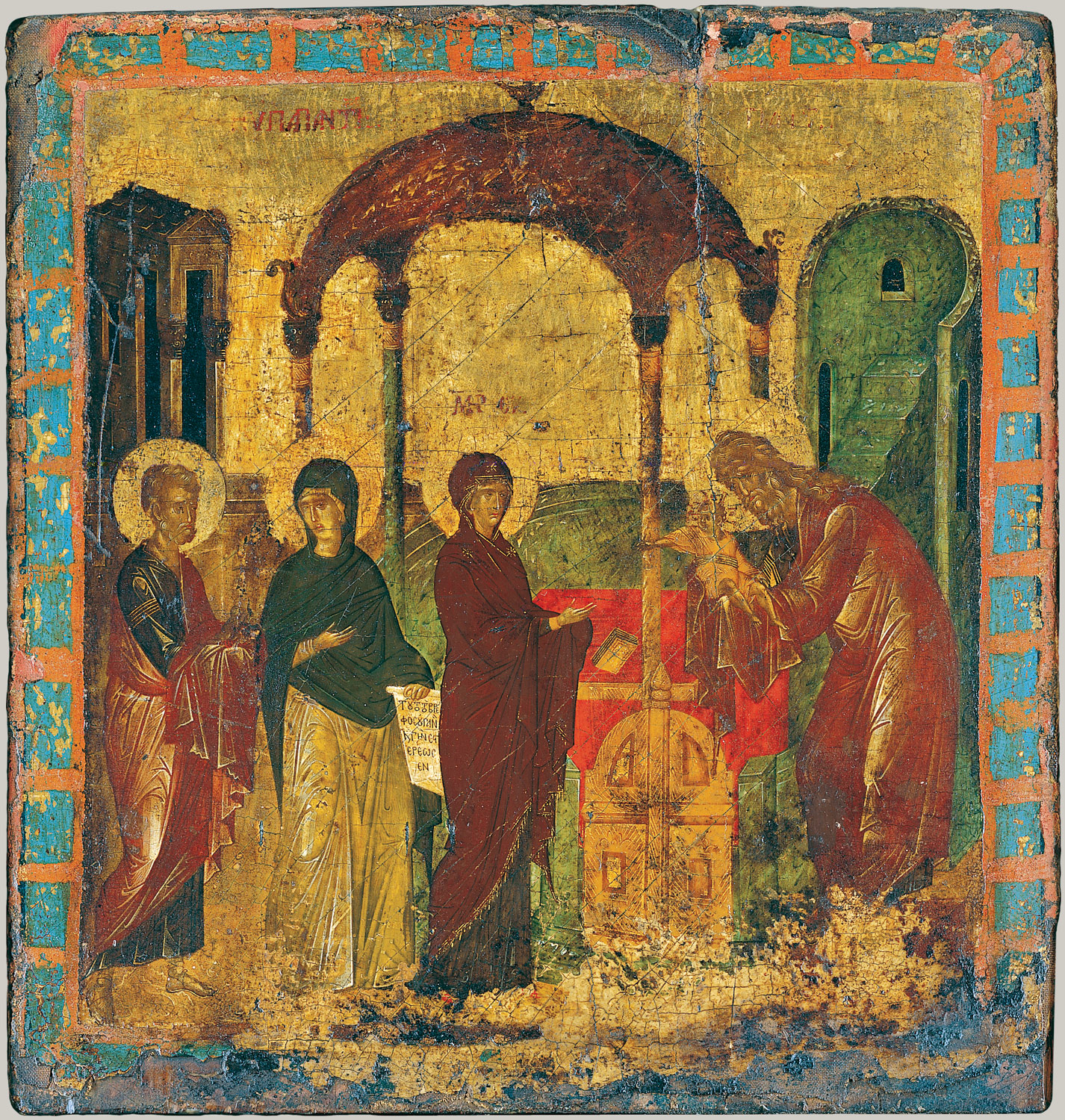
Khusrau and Shirin - The Presentation at the Temple - Byzantine Painter ca. 15th Century
(Source: https://www.metmuseum.org/toah/works-of-art/31.67.8/)
Political Transformations
Empires and Encounters
1450-1750
Chapter 13 details a more familiar period, chronicling the rise of the empires that still persist until today in one form or another. What is most fascinating and interesting to me is how (and why) the Europeans were able to kickstart their expansion an entire ocean away - something that had never occured in earlier empires. While China and the Ottoman empires expanded by establishing dominance in existing and familiar civilizations, the Europeans left their own continents in search of economic prosperity and to spread the Christian faith - or going abroad to "serve God and King, and also to get rich" (557).
After the fall of the Byzantine empire to the Turks, the Silk roads became less of an option for European trade merchants. The Portuguese, desperate to participate in the Indian Ocean trade long established by the China via sea roads between China and the African Continent, travelled Southward down the west African Coast, around the cape and then North to the Indian Ocean. Quite a feat to be sure, but a lengthy, expensive and unpredictable route. Spain was not to be outdone, so Queen Isabella of Spain financed a Genoese explorer, Cristoforo Colombo, to find a better route. By an accident of fate that would change history forever, he ran into the Americas at San Salvador in the Bahamas.
Seeking new resources to exploit, the Spanish were quick to colonize the Mesoamerican civilizations in Peru and Mexico. Portuguese were quick to follow setting up an empire on the Eastern half of South America. Forming shifting alliances with the indigenous Aztecs and Incas, the Spaniards were able to effectively sieze large territories. These areas were rich with Silver and new world goods which helped finance more expeditions and helped them buy their way into the Indian Ocean trade. The Portuguese set up labor intensive sugar cane plantations and used slaves from Africa as a labor force, providing a growing population in Europe a steady supply of sugar.
On the recieving end of this great expansion were the unfortunate existing civilizations. Having no immunity to European diseases transmitted by domesticated animals, they were decimated in numbers to the point of societal collapse. Strayer notes this as the "Columbian Exchange"-- Old World Plants, Animals and Diseases for New World Labor, Raw Materials and foods like Potatoes and Corn -- Fuel for the rapidly expanding population of Europe.
Meanwhile, back at the Asian continent, the Russians from Moscow had imperialist designs of their own. The Russian empire grew at a rapid pace, encompassing everything from Manchuria to the Baltic. The inhospitible climate of the region meant that most of the inhabitants were Pastoral peoples, movng herds from space to space. The people in the path of the expansion became Russian and more urban, which made them dependent on the Russian economy for products.
China was also expanding its reach, and bordered the Russian threat to the North. The Qing dynasty wisely signed a treaty (The Treaty of Nerchinsk) with the Russians, mitigating the threat. The lands that came under the Chinese empire contained peoples that retained their identities.


Comments
Post a Comment